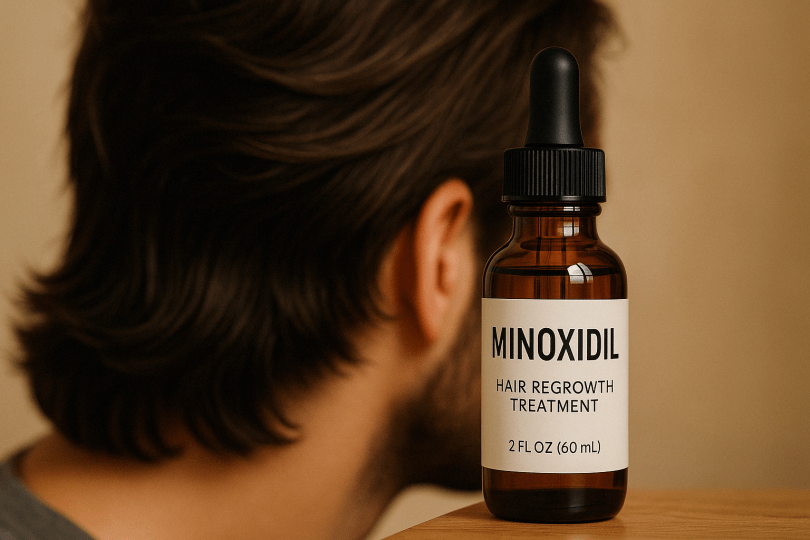
Hair loss can be a frustrating experience—one that prompts many people to seek out effective, science-backed solutions. Among all available treatments, Minoxidil stands out as a long-established option supported by decades of clinical use and research. Originally introduced to the market in the 1980s, Minoxidil’s key appeal is its ability to stimulate hair growth rather than addressing hormonal factors (such as DHT) directly. While other treatments block or reduce hormones that contribute to hair loss, Minoxidil acts as a “growth stimulator,” helping hair follicles produce thicker, healthier hair shafts over time.
This article provides an in-depth look at how Minoxidil works, who might benefit from it, the nuances of different formulations (like foam vs. liquid), how to handle initial shedding, and considerations around compliance. The goal is to equip you, as an interested layperson, with a solid understanding of why Minoxidil remains a cornerstone in the fight against hair loss, the strengths and limits of this topical medication, and how best to incorporate it into your hair-restoration journey.
Read More » Medical Treatments for Hair Loss